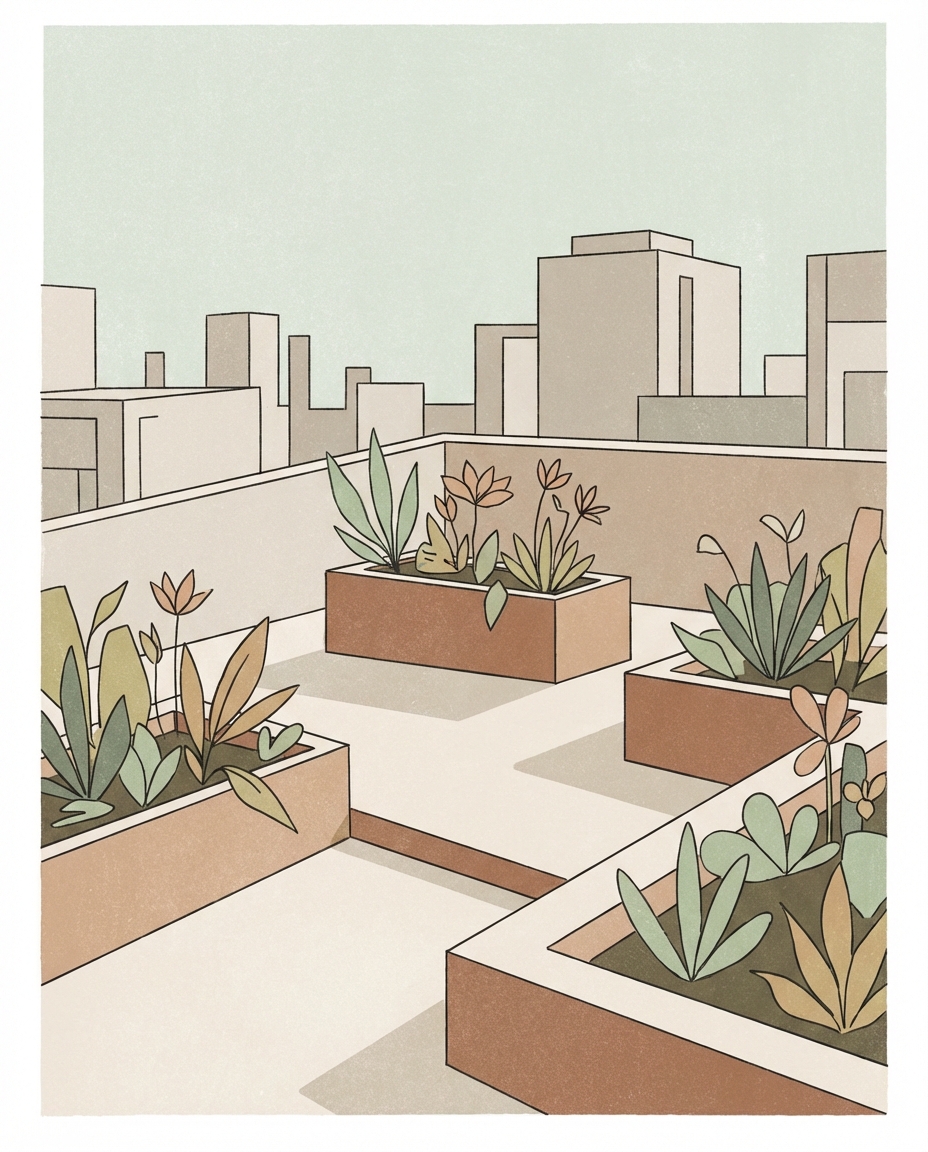
Urban gardening is more than just a hobby; it is an act of reclamation. It is the process of carving out a sanctuary amidst the noise, pollution, and concrete of city living. Whether you are aiming to grow your own food, improve local air quality, or simply create a mental escape, the principles of successful urban agriculture remain the same: optimize space, maximize efficiency, and adapt to the environment.
1. Assessing Your Concrete Jungle
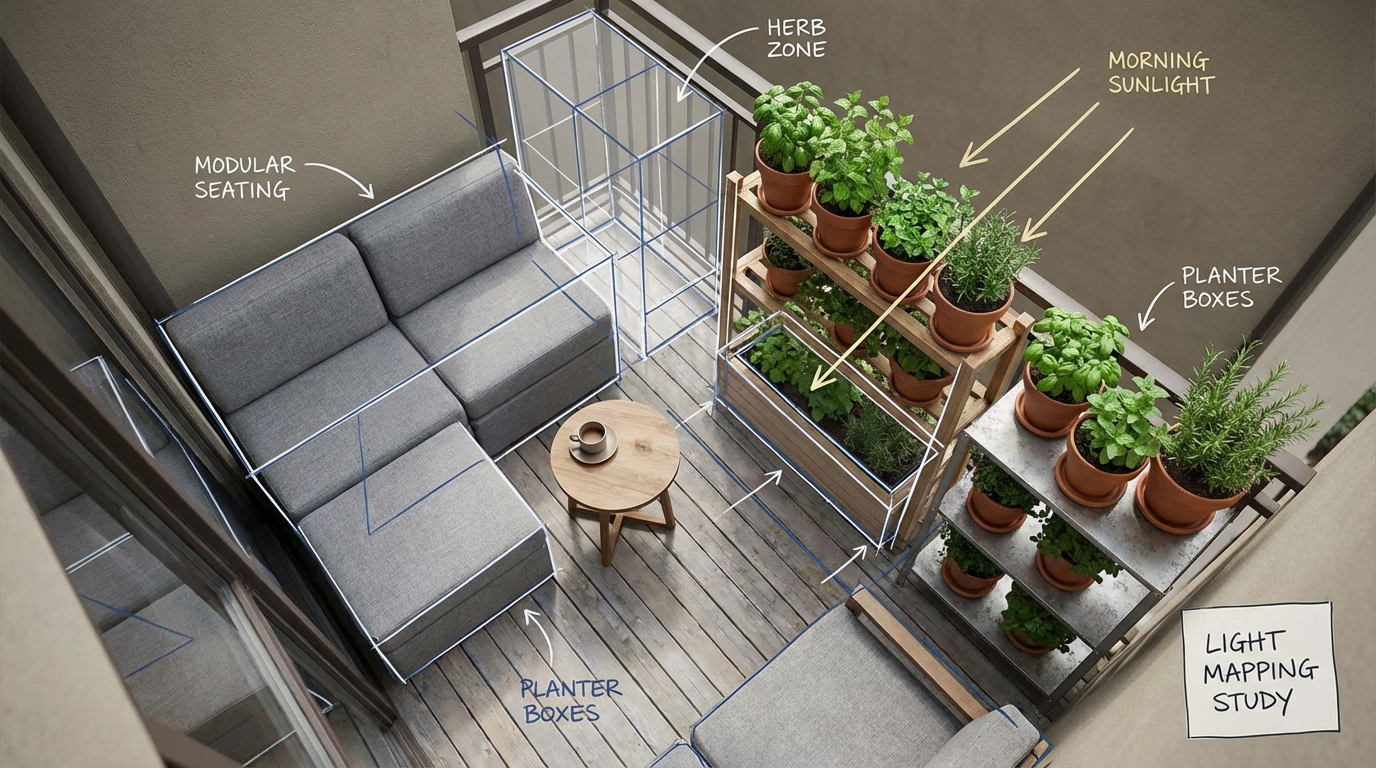
Before you buy a single bag of soil, you must understand the infrastructure of your space. In the city, microclimates are dramatic. A balcony facing south might scorch plants in July, while a north-facing patio might barely sustain moss. You need to map your sunlight exposure, wind tunnels created by adjacent buildings, and, crucially, the structural integrity of your growing area.
Weight is a major factor. Wet soil is heavy. When planning your oasis, opt for lightweight fiberglass or fabric pots rather than heavy ceramics. Strategic placement is key. To get a detailed breakdown of how to map your space effectively, read our guide on Balcony & Small Space Layouts. It covers the geometry of small-scale layouts to ensure you aren't just cluttering your space, but curating it.
2. The Art of Vertical Expansion
When you cannot grow out, you must grow up. This is the golden rule of density. In an urban environment, the square footage of your floor is limited, but the square footage of your walls and railings is often untapped potential. Industrial trellises, hanging pockets, and tiered shelving units can triple your growing capacity.
However, vertical gardening requires strong support structures. Utilizing sturdy materials like galvanized steel mesh or repurposed pallets aligns with the industrial aesthetic of the city while providing the strength needed for heavy climbers like squash or beans. For a deep dive into the mechanics of living walls and upward growth, consult our resource on Vertical Gardening Techniques.
3. Choosing the Right Crops for Containers
Not all plants are created equal, especially when root space is confined to a pot. The biggest mistake new urban gardeners make is trying to force standard row crops into a container environment. You want high-yield, compact varieties. Think bush tomatoes, determinate peppers, and rapid-cycle leafy greens.
The goal is 'return on investment' regarding space. Herbs are the gateway drug of urban gardening because they offer high flavor for minimal footprint. But you can go further. Dwarf fruit trees and berry bushes are now bred specifically for patio living. To ensure you are choosing productive varieties that won't fail due to root binding, check out our list of Best Edibles for Containers.
4. Soil Fertility and Waste Management
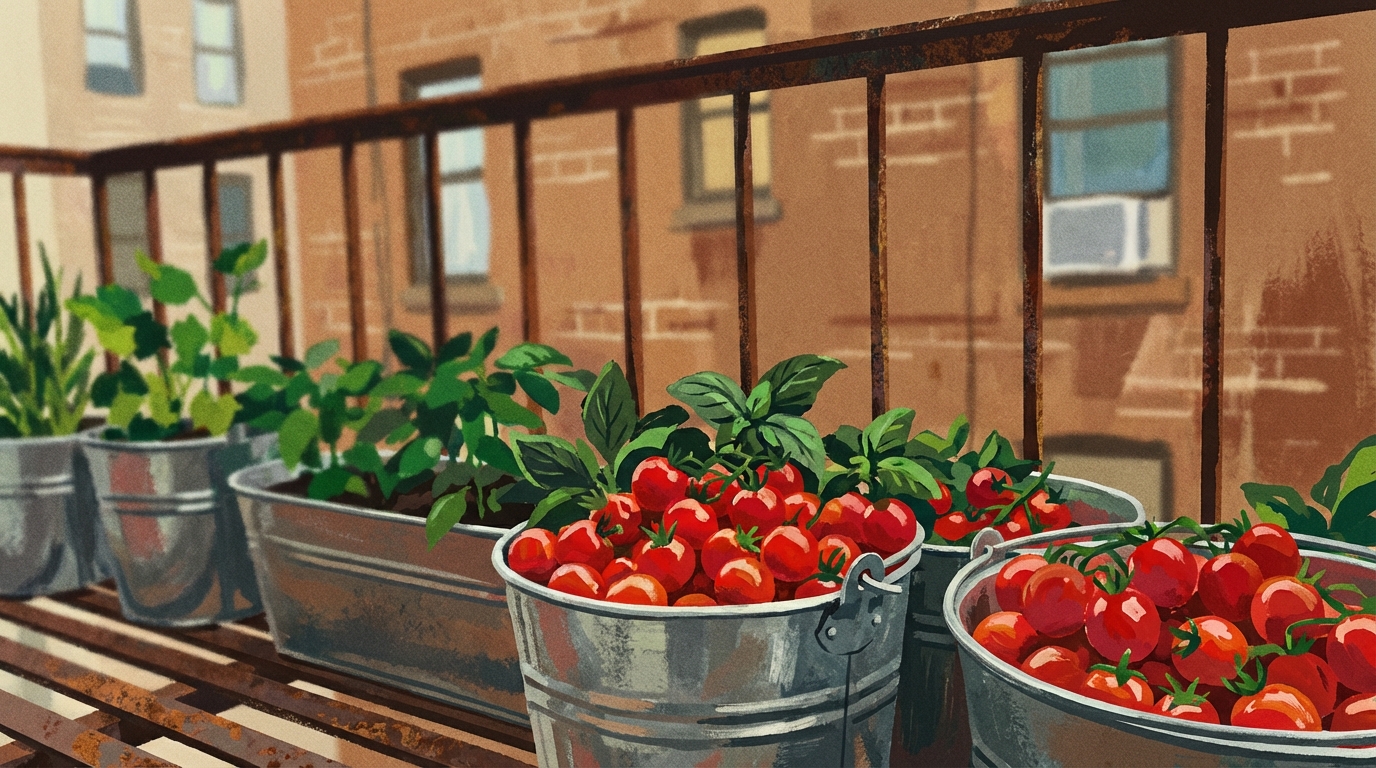
In a city, you don't have the luxury of natural ground soil. You are the engineer of your plant's nutrition. Potting mix is sterile and runs out of nutrients quickly. To maintain a lush 'forest' on your balcony, you need to constantly replenish the soil. Synthetic fertilizers work, but they lack the microbial life that creates resilient plants.
This is where urban composting becomes a superpower. You don't need a backyard pile. Modern methods like Bokashi (fermentation) or Vermiculture (worm bins) are odorless, compact, and fit under a kitchen sink. They turn your food scraps into 'black gold' that fuels your garden. Learn how to close the loop in your apartment by reading Apartment Composting Basics.
5. Bringing the Garden Indoors
City living often means dealing with long shadows or harsh winters. But your cultivation doesn't have to stop when the temperature drops or the sun shifts behind a skyscraper. Indoor gardening has evolved from simple houseplants to high-tech food production systems.
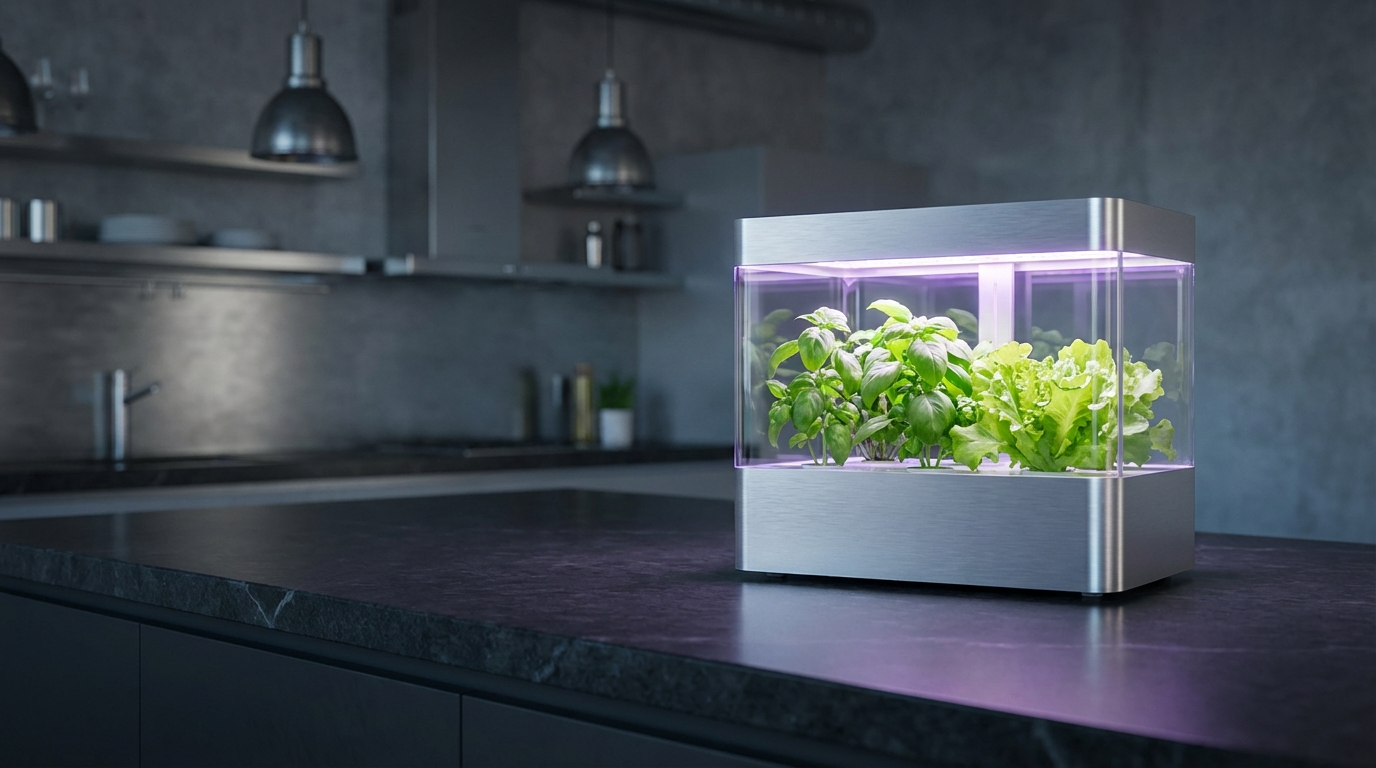
Hydroponics—growing plants in water rather than soil—is the ultimate space-saver. It eliminates soil pests and accelerates growth rates. Paired with full-spectrum LED grow lights, you can harvest fresh basil, lettuce, and even strawberries in the dead of winter on your kitchen counter. Explore the technology behind year-round harvests in our section on Indoor Hydroponics & Lighting.
6. Water: The Lifeblood
In containers, water evaporates fast. Wind on high balconies accelerates this process. Consistency is key. If you are a busy urbanite, consider installing drip irrigation kits that attach to a faucet or using self-watering planters with reservoirs. Mulching your pots with wood chips or straw will also help retain moisture and keep the soil cool during heatwaves.
Conclusion: The Green Rebellion
Urban gardening is a journey of trial and error. You will likely kill a few plants—that is the tuition you pay for learning. But the reward of biting into a sun-warmed tomato grown on the 4th floor, overlooking the city traffic, is incomparable. Start small, maximize your vertical space, feed your soil, and watch your concrete jungle transform into a living, breathing forest.