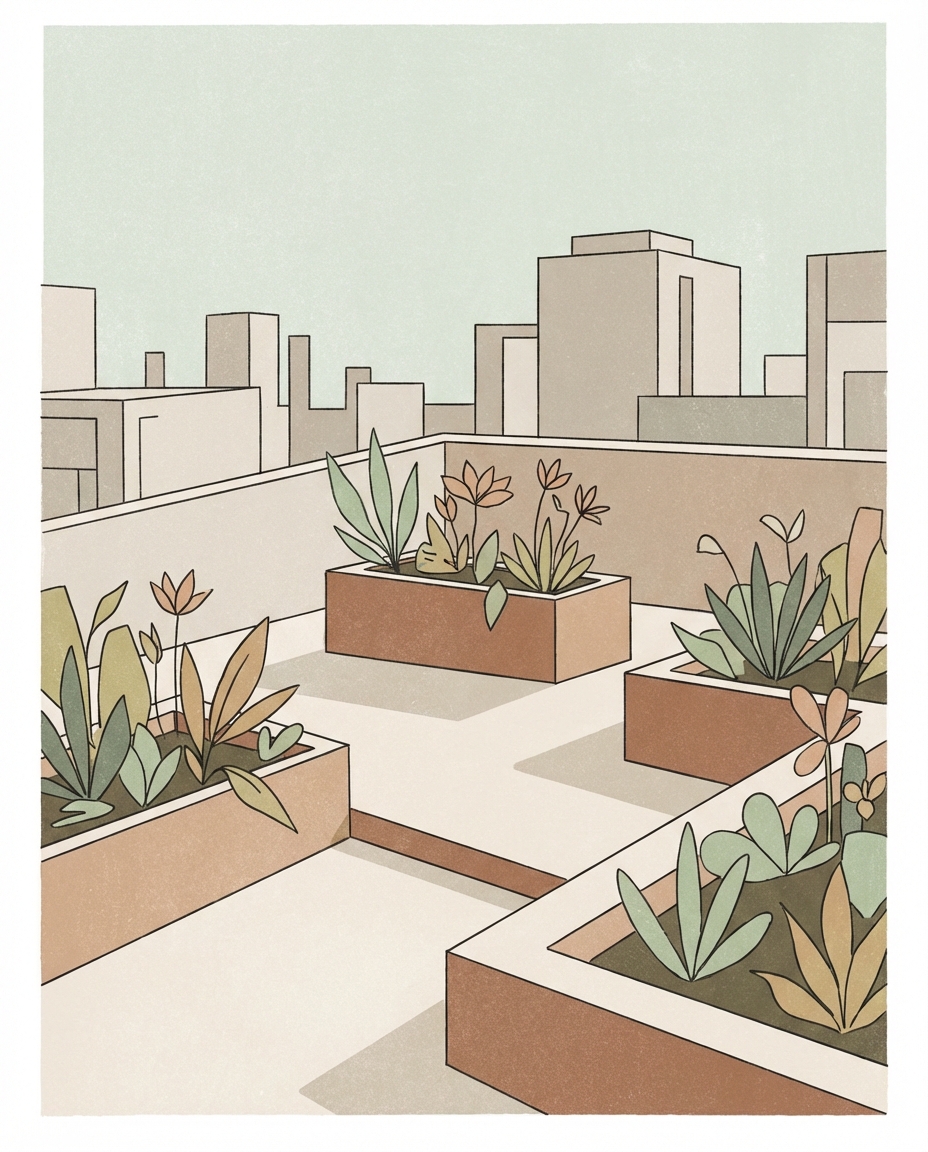
In the world of the Ultimate Guide to urban gardening, the container is your building block. It is the fundamental unit of the city farm. Unlike traditional agriculture, where roots can wander deep into the earth in search of moisture, container gardening is an act of architectural precision. You are building an ecosystem in a box.
For the urban dweller, the choice of plant is just as critical as the layout. Not every vegetable tolerates the confined quarters of a pot. The secret to a lush, forest-like balcony isn't just a green thumb; it's selecting the right biological machinery for the job. We are looking for high-yield, compact footprint, and resilience.
1. The Heavy Hitters: Solanaceous Crops
Tomatoes, peppers, and eggplants are the crown jewels of the summer garden. While standard varieties can become unruly, becoming a jungle that takes over your entire patio, specific breeding has given us varieties that respect boundaries while delivering heavy yields.
Determinate Tomatoes
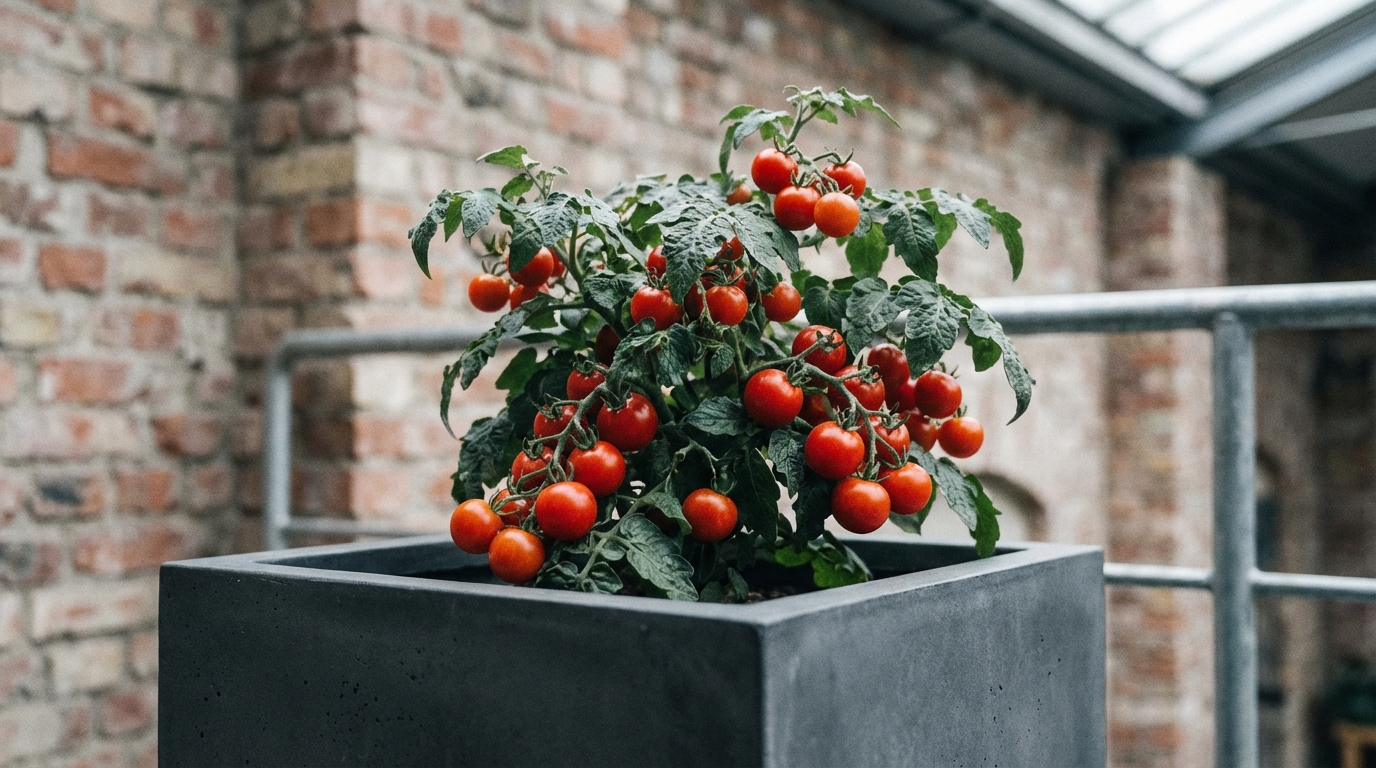
Forget the sprawling vines of indeterminate heirloom tomatoes unless you have significant trellis infrastructure. For containers, you want Determinate or Bush varieties. These plants grow to a fixed height, set all their fruit at roughly the same time, and stop growing. They are predictable and structural.
Look for varieties like Tiny Tim, Patio Princess, or the Tumbler series. These thrive in 5-gallon pots and provide a burst of red against the grey cityscape. Ensure they get at least 6-8 hours of direct sun. If your balcony is shadowed, you might need to supplement with Indoor Hydroponics & Lighting solutions to get them started.
Peppers and Chilies
Peppers are naturally better suited for containers than tomatoes. Their root systems are more compact, and their woody stems offer great structural integrity against wind—a common issue on high-rise balconies. Hot peppers like Jalapeños, Thai Chilies, and Habaneros are incredibly productive in pots as small as 3 gallons.
For sweet peppers, stick to lunchbox varieties or smaller bell peppers like the Mini Bell. Large bell peppers often struggle to reach full size in pots without meticulous fertilization.
2. The Fast-Turnover Greens
If you want constant gratification, leafy greens are your industrial production line. They grow fast, can be harvested repeatedly, and generally tolerate partial shade better than fruiting crops.
Swiss Chard and Kale
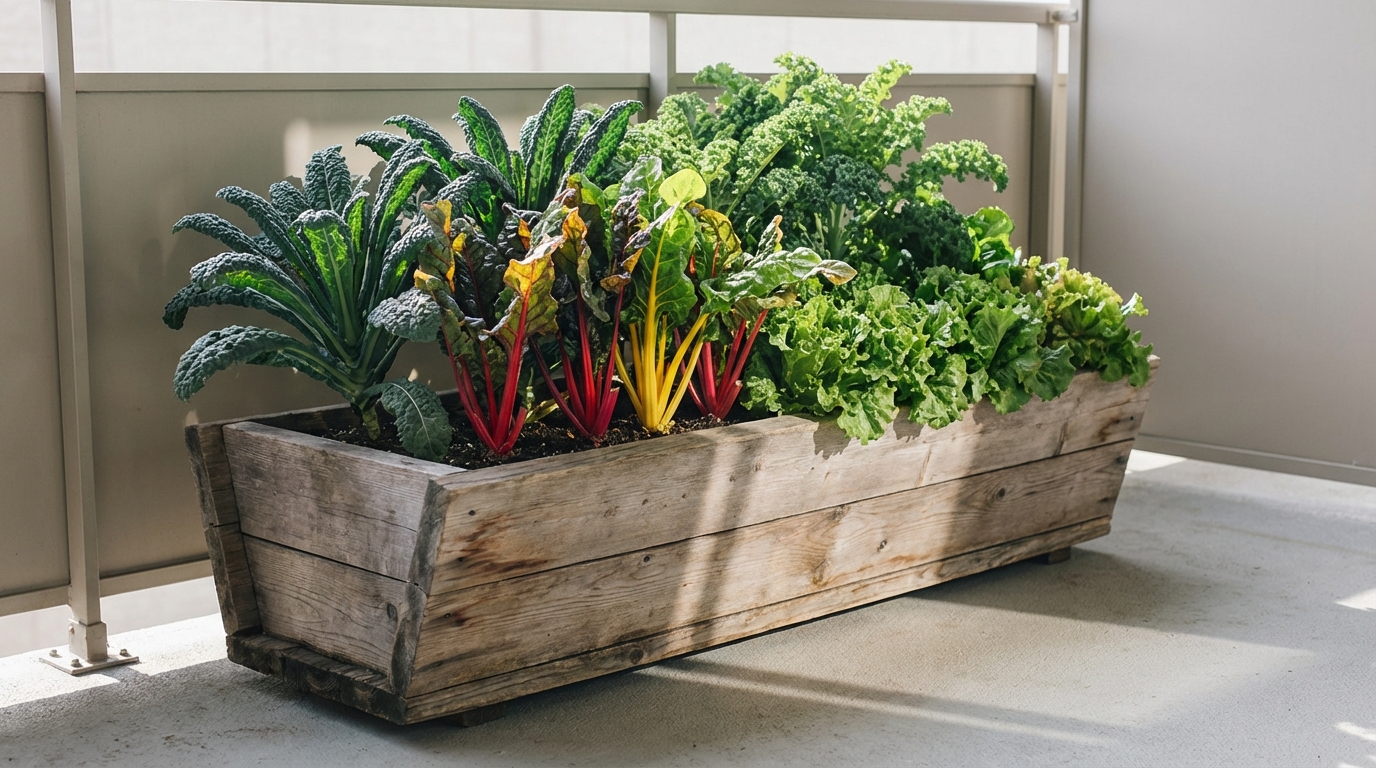
These are the architectural wonders of the edible world. With vibrant stems in neon yellow, red, and orange, Bright Lights Swiss Chard doubles as an ornamental plant. Kale varieties like Lacinato (Dino Kale) grow upright, saving horizontal space. Both crops are cut-and-come-again; harvest the outer leaves, and the center will keep producing new growth for months.
Arugula and Spinach
These have shallow root systems, making them perfect for window boxes or shallow trough planters. Because they bolt (go to seed) quickly in the heat, they are excellent shoulder-season crops for spring and autumn. To keep the soil nutrient-dense for these hungry greens, consider integrating Apartment Composting Basics into your routine to create your own "black gold" fertilizer.
3. The Vertical Climbers
When you run out of floor space, you must build upwards. This is where Vertical Gardening Techniques become essential. Certain edibles are genetically programmed to climb, turning a blank wall or railing into a productive green facade.
Pole Beans and Peas
Unlike bush beans, pole beans will climb 6 to 8 feet. They require a trellis, netting, or sturdy railing. The yield per square foot of soil is significantly higher with pole beans because the production happens in the vertical plane. Scarlet Runner Beans are a top pick for urban aesthetics—they produce stunning red flowers that attract pollinators before setting pods.
Cucumbers
Look for "Bush" or compact vine cucumbers like Spacemaster or Patio Snacker. Even these compact varieties benefit from a small trellis to keep the fruit off the soil, preventing rot and saving space.
4. The Aromatic Canopy: Herbs
If you have limited space—perhaps just a fire escape or a Juliet balcony—herbs are the most logical choice. They offer the highest culinary value for the lowest space commitment.
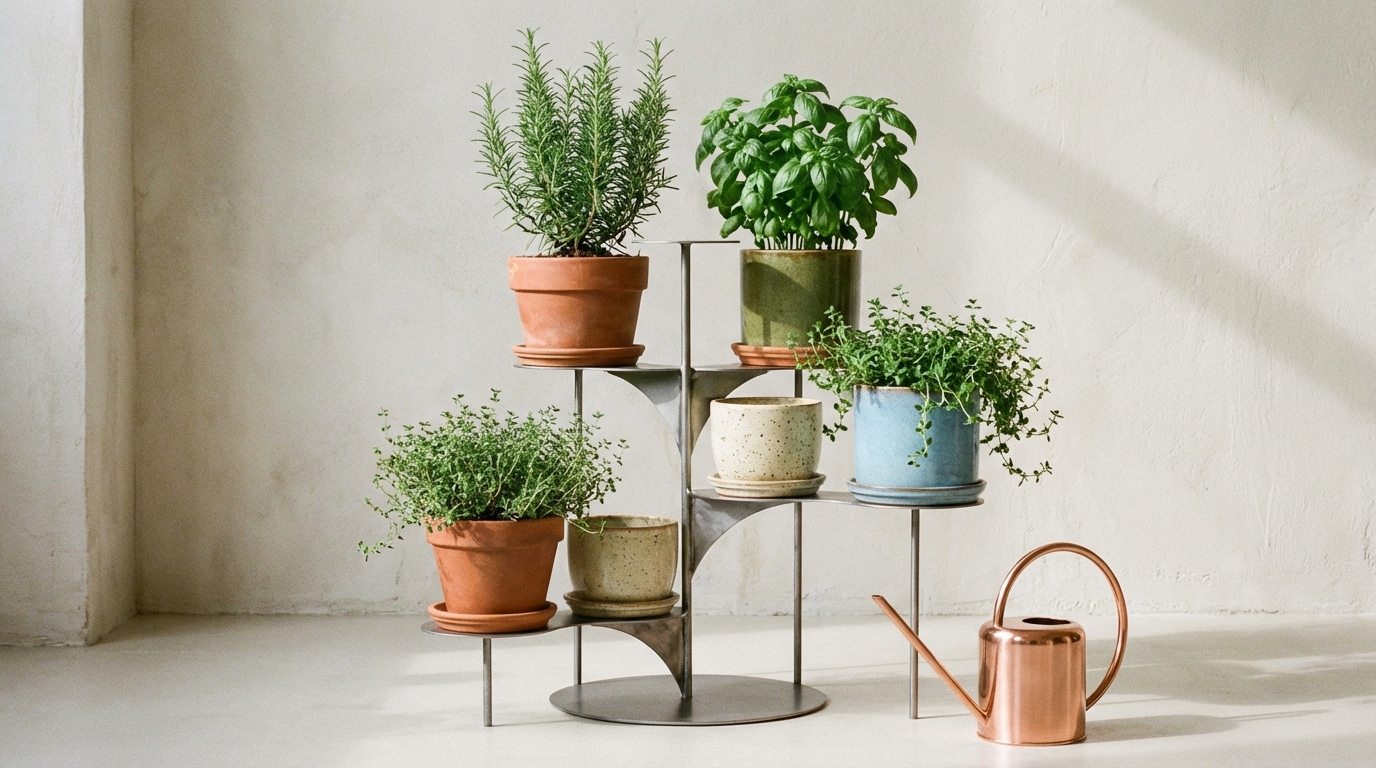
- Woody Herbs: Rosemary, Thyme, and Sage are drought-tolerant and love the heat radiated by concrete walls. They are perennial, meaning they can survive mild winters or can be brought indoors.
- Soft Herbs: Basil, Parsley, and Cilantro need more water and regular harvesting to prevent flowering. Basil, in particular, thrives in the heat of an urban summer.
- Mint: Warning—Mint is invasive. It is the perfect container plant because the pot acts as a prison, preventing it from taking over your other plants. Never plant mint in a shared garden bed; give it its own dedicated pot.
For ideas on how to arrange these pots for maximum visual impact and airflow, refer to our guide on Balcony & Small Space Layouts.
5. Fruit in the City
Growing fruit in containers requires patience and the right variety selection, but the payoff is sweet.
Strawberries
Strawberries are excellent for vertical towers or hanging baskets. Ever-bearing varieties like Albion or Seascape will produce fruit intermittently throughout the summer, rather than all at once. They have shallow roots and are very forgiving.
Dwarf Citrus
The Meyer Lemon tree is the holy grail of container gardening. It is adapted to pot life and produces sweeter, thinner-skinned fruit than standard grocery store lemons. However, they are heavy feeders. They require consistent nitrogen and iron, and they must be moved indoors if temperatures drop below freezing. They are a long-term investment in your urban oasis.
Blueberries
Blueberries require highly acidic soil, which is actually easier to manage in a pot than in the ground. You can buy acid-loving potting mixes specifically for them. Look for dwarf varieties like Top Hat or Jelly Bean, which form tidy, ornamental mounds.
Infrastructure Matters
Success with these edibles isn't just about the plant; it's about the vessel. Ensure your containers have aggressive drainage. Water accumulation is the silent killer of container plants. Furthermore, in an urban environment, wind can dehydrate plants rapidly. Self-watering containers can be a technological solution to mitigate this, acting as a reservoir for your plants during long workdays.
By selecting these high-performance crops, you transform your urban dwelling from a consumer of resources into a producer of sustenance. It’s time to green the concrete.