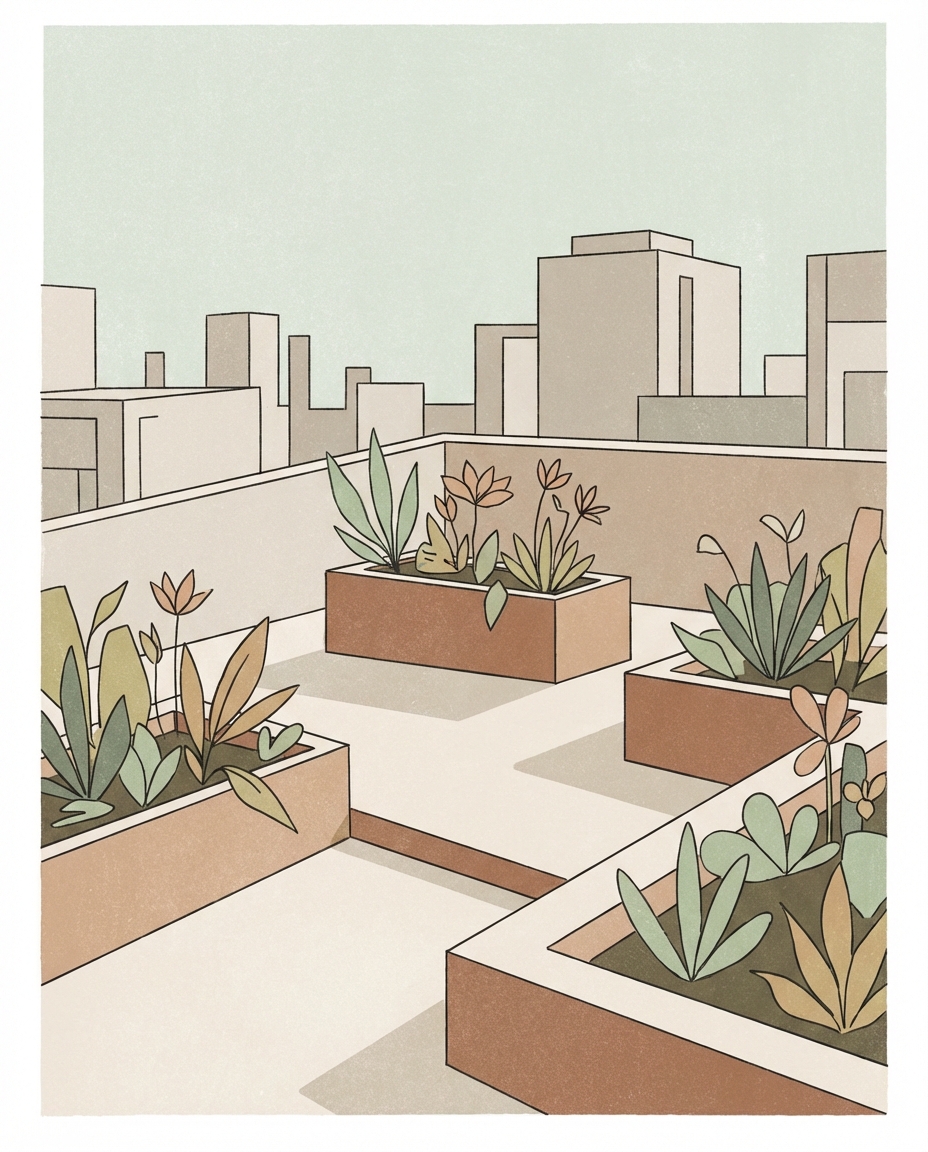
The Architecture of a Tiny Garden
In the concrete jungle, having a private outdoor space—no matter how small—is a luxury. However, turning a 4x8 foot fire escape or a Juliet balcony into a lush retreat requires more than just buying plants; it requires a blueprint. The key to successful urban gardening lies not just in what you grow, but in how you arrange the stage upon which nature performs.
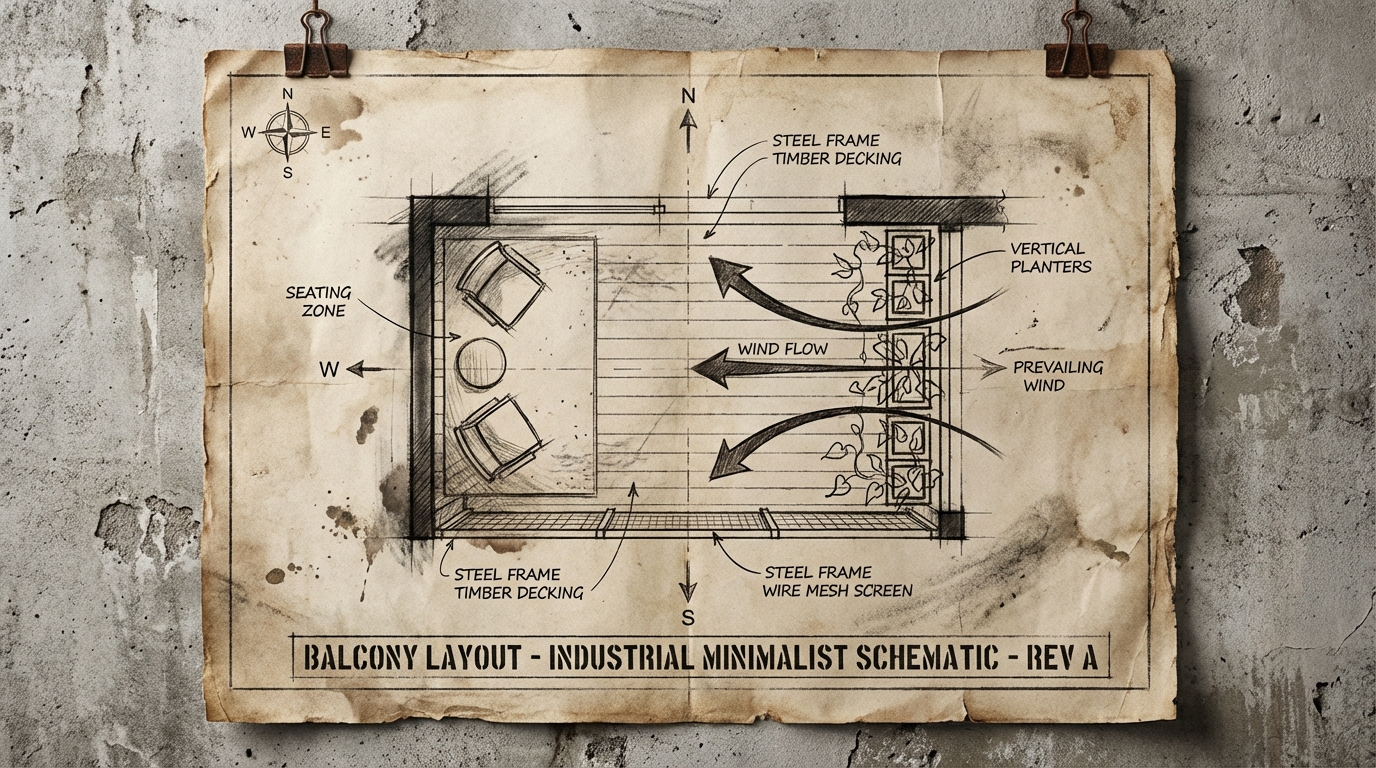
Before you purchase your first planter, you must assess the structural and environmental reality of your space. Is your balcony a wind tunnel? Does the sun hit the east corner only in the morning? These factors dictate your layout. For example, heavy ceramic pots should be placed near load-bearing walls, while wind-tolerant grasses should act as buffers on the perimeter. Understanding your microclimate is the foundation of a layout that survives past the first season.
Defining Zones in Limited Footage
The biggest mistake in small space design is clutter. To maximize flow, you must define specific zones. Even a tiny balcony can usually support two distinct functions: a productive zone for your plants and a social zone for you.
For the productive zone, prioritize the edges and walls. This is where you integrate Vertical Gardening Techniques. By moving your greenery upwards using trellises or shelving units, you liberate the floor space for human movement. Visually, this draws the eye up, making the space feel larger and more immersive, like a green canyon rather than a cluttered closet.
For the social zone, anchor the space with intention. If you have a square balcony, a round bistro table in the center breaks up the rigid lines of the building. If you have a narrow, rectangular balcony, place seating at one of the far ends to keep the central walkway clear. This creates a sightline that elongates the perceived depth of the space.
The Layout Archetypes
Most urban outdoor spaces fall into one of three categories. Here is how to tackle them:
1. The Narrow Strip (The Bowling Alley)
Common in modern apartment complexes, this layout is long but shallow.
- The Fix: Treat the ends as destinations. Place a comfortable chair at one end and a dense cluster of Best Edibles for Containers at the other.
- The Trick: Use a long runner rug to direct the eye, and hang trough planters on the railing to add width without stealing floor space.
2. The Box (The Square Slab)
Often found in older buildings, these offer more depth but can feel boxy.
- The Fix: Cut the corners. Place taller plants or corner shelving units in the deep corners to soften the harsh 90-degree angles.
- The Trick: Orient your furniture diagonally. A chair angled across the corner makes the floor area feel wider than it actually is.
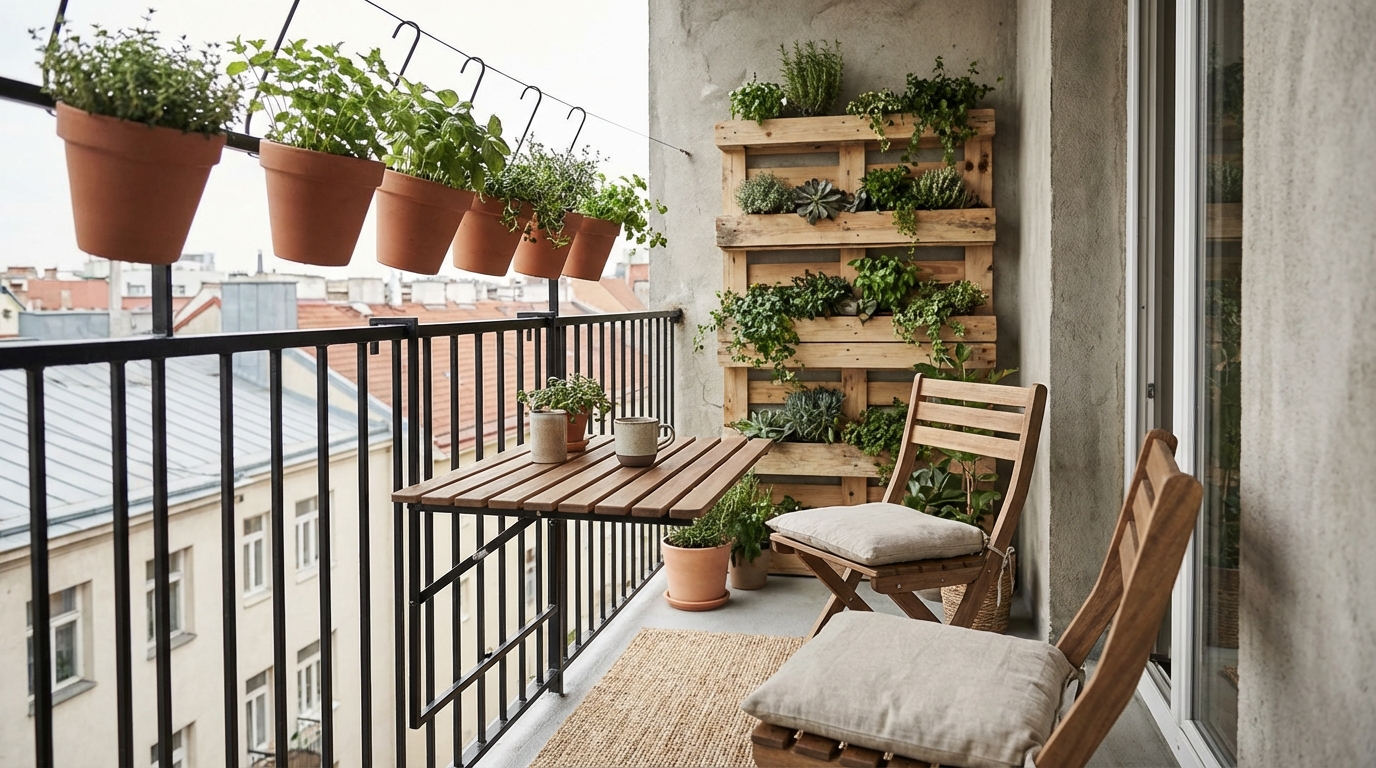
3. The Semi-Enclosed Loggia
These are protected on three sides, offering shade and wind protection.
- The Fix: Treat it as an extension of your living room. Because it is sheltered, you can use softer furnishings and delicate plants that might not survive high winds.
- The Trick: Mirrors. A weatherproof mirror hung on a side wall reflects light and doubles the visual greenery.
Furniture: The Industrial Aesthetic
In a small layout, furniture must earn its keep. Look for pieces that serve double duty. A bench with internal storage is invaluable for hiding bags of soil, trowels, or Apartment Composting Basics kits like a Bokashi bucket. When the furniture isn't being used, it should be able to disappear. Folding tables and stackable chairs are essential for maintaining the "flow" of the space.
Stick to materials that match the urban aesthetic—powder-coated steel, treated acacia wood, and concrete composites. These materials withstand the elements and complement the forest-green hues of your plants, reinforcing that bold, industrial-organic look.
Lighting and Transition
Your layout doesn't end when the sun goes down. Lighting is crucial for making a small space feel accessible at night. String lights draped overhead create a false ceiling, making the balcony feel like a cozy room. Solar-powered stake lights in your planters illuminate the foliage from below, adding drama and depth.
Furthermore, as seasons change and the weather forces you indoors, your layout should be adaptable. Consider how your outdoor pots can migrate inside. If you are using Indoor Hydroponics & Lighting systems during the winter, your balcony can transition from a growing space to a cold-storage area or a minimalist winter viewing garden.
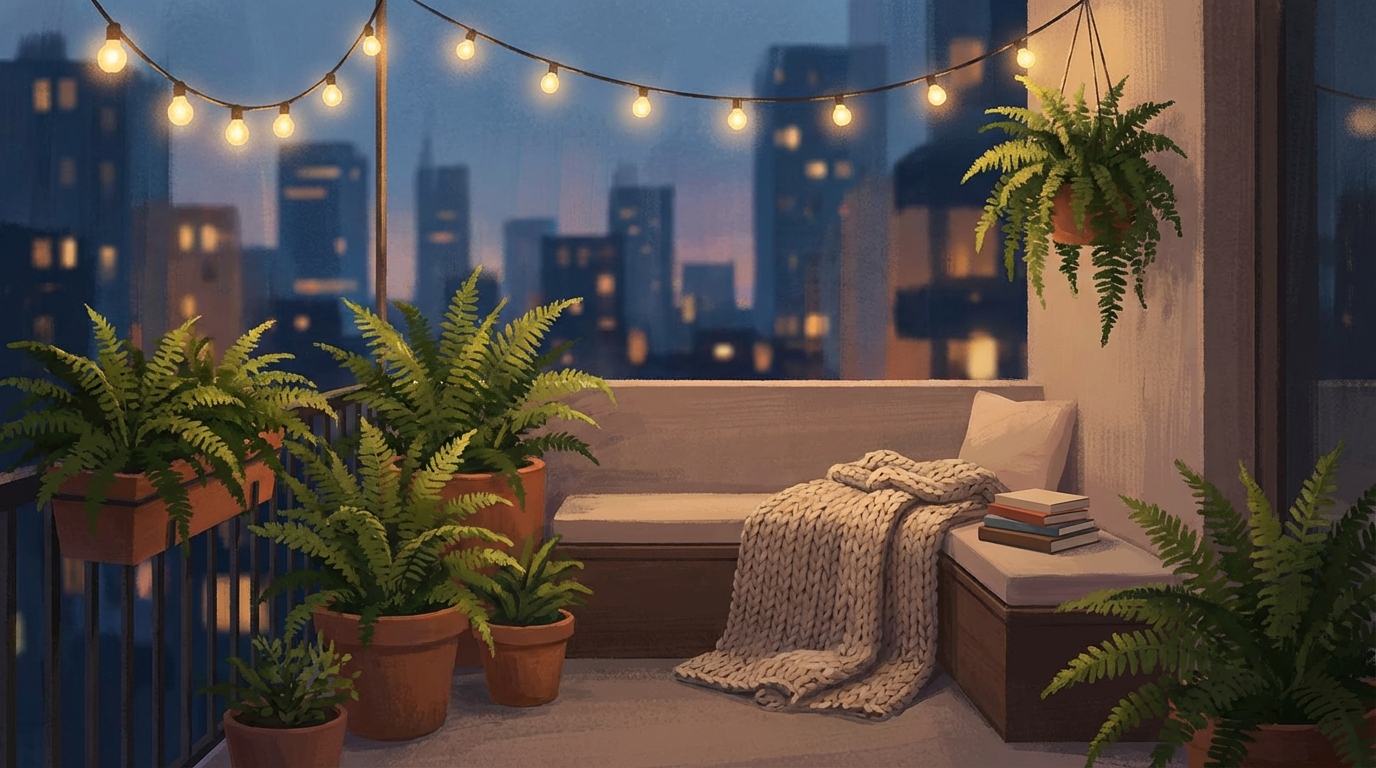
Final Thoughts on Flow
Ultimately, the best layout is one that encourages you to step outside. If you have to move a heavy pot to get to your chair, you won't use the chair. Keep the pathways clear, keep the plants healthy, and respect the architecture of your building. With a strategic approach to square footage, even the smallest fire escape can become a thriving canopy of green.